Build a bedroom palette around the bed
The bed is often the largest visual element in a bedroom, so the relationship between bedding, the wall behind it and the curtains can define the whole room. Start with your photo to explore those choices together instead of considering each item on its own.
Select bedroom, choose a style and light, then describe the atmosphere you want: warm and earthy, light and simple or more layered in texture. Mention furniture you would prefer to keep so the request reflects your starting point.
Use the image as a decor direction. It does not measure bedside clearance, guarantee that a particular bed or wardrobe will fit, or prove that the suggested materials are available to buy.
Start with the wall behind the bed
An accent color changes how the bed frame, pillows and bedside furniture appear. Choose a restrained palette around that wall before adding smaller decorative details.
Open the composer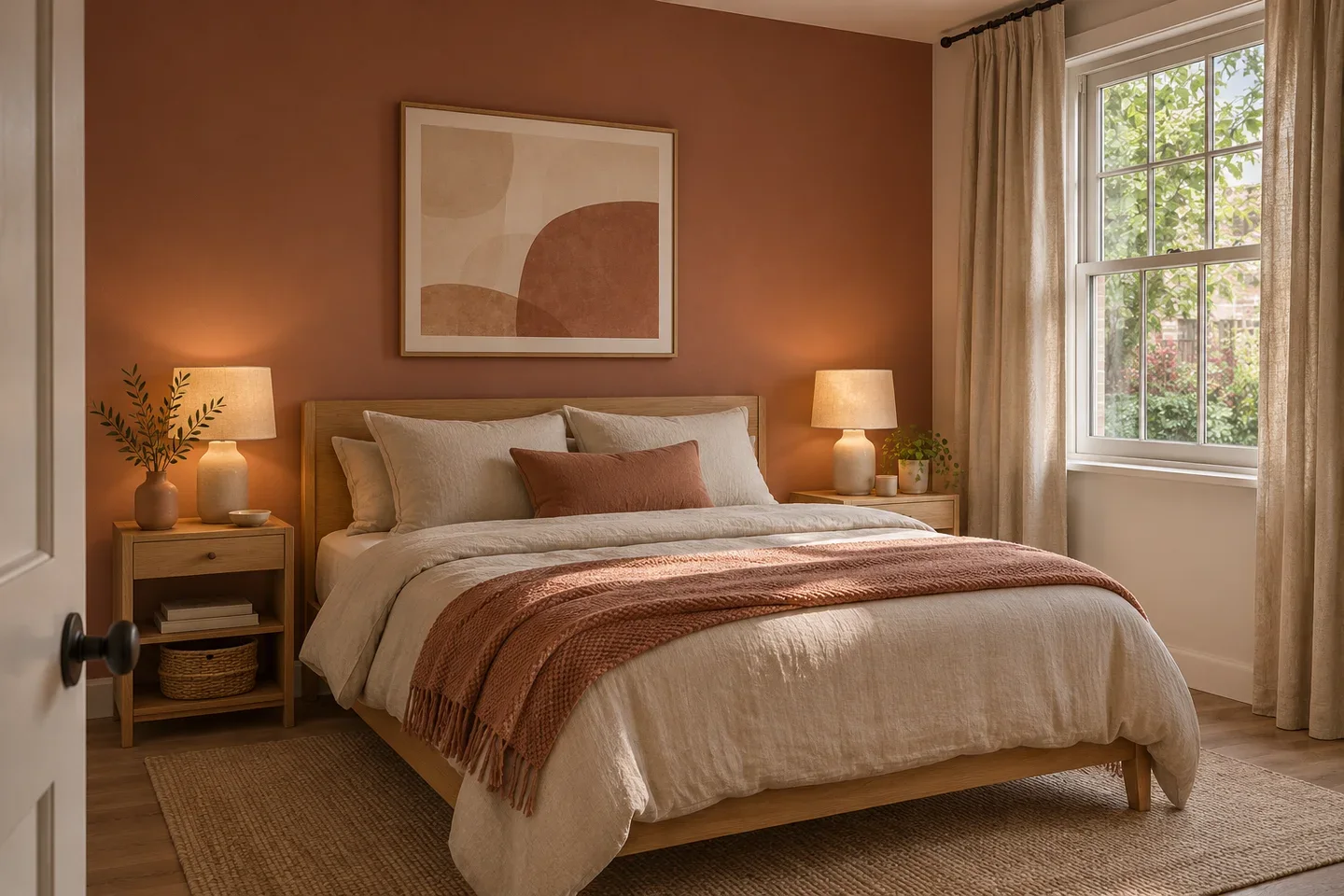
Layer bedding without losing the main color
Describe a base textile and one accent: oatmeal linen with a clay throw, for example. A few specific relationships communicate more than a long list of unrelated bedroom styles.
Open the composer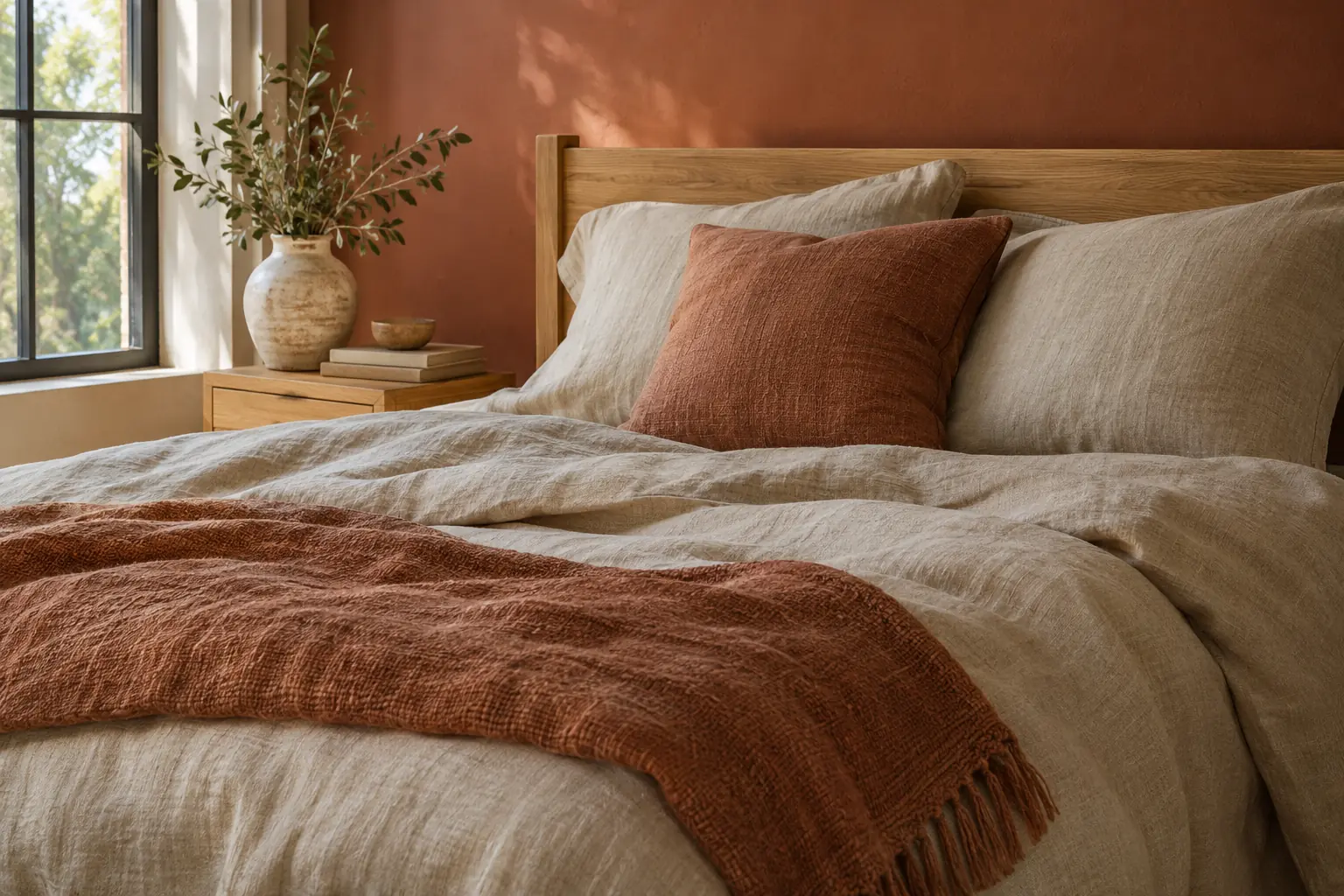
Distinguish daylight from an evening mood
A room used for reading before bed may call for a different visual mood from a bright daytime photograph. Explore the light you want in the concept, then assess real lamps and curtains separately.
Open the composer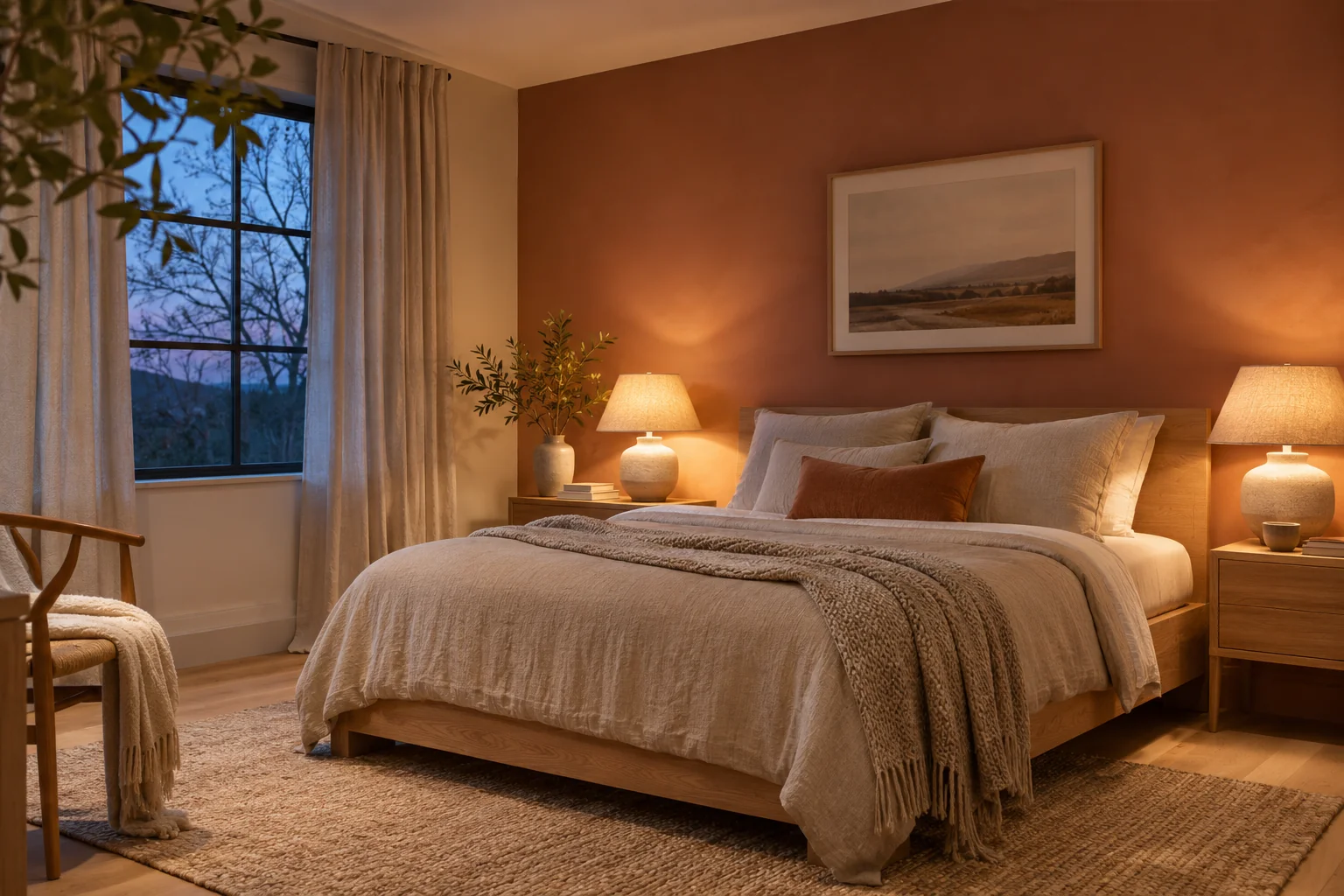
A bedroom concept with your preferences in focus
Work through color, textiles and mood before committing to decor.
Photo-based context
Use a view that includes the bed and its surroundings so a wall color or bedding choice has a setting.
Room-specific design notes
Describe a headboard, curtain tone or furniture finish you would prefer to retain, with the understanding that details can change.
More than a style name
Combine the chosen style with a concrete texture or color preference to make the requested bedroom direction easier to assess.
How to explore a new bedroom look
Keep the bed, nearby surfaces and window context visible in your starting photo.
Create a wall-and-textile direction
- 01
Frame the bed and surrounding room
Photograph from a corner or doorway that shows the headboard wall, bedside furniture and any visible window. Remove identifying personal items from the view if they are not needed.
- 02
Choose the mood and the key texture
Select bedroom and a style, then set a lighting preference. Add one main wall or bedding idea and describe the existing furniture you would like the image to work around.
- 03
Choose settings before submission
Review the available model, ratio, quantity and credit total. Submit once the photo and bedroom request are ready.
- 04
Review the details at the bedside
Look at the palette and layers, then check lamps, bedside surfaces and changed furniture shapes. Measure the real room before purchasing anything.
An earthy bedroom direction to use as inspiration
The concept below combines a clay-colored wall, a low timber bed and neutral linen. The accent is concentrated behind the bed and repeated in the throw, leaving the rest of the palette comparatively quiet.
For a different starting point, describe how your existing bed frame should relate to new textiles. A dark frame might call for a lighter wall, while a pale frame may allow a deeper accent. The aim is to compare a relationship, not collect more decor ideas.
The pictured bedroom repeats a clay accent in the wall and throw, with neutral bedding between them. A similar approach to repeating one color can give your bedroom brief a clearer focus.
AI Bedroom Design FAQ
What should be visible in a bedroom photo?
Show the bed, the wall behind it and nearby furniture. Including a window or curtains helps communicate the room's light and textile context. A bedding close-up alone does not show enough for a whole-room direction.
Can I ask for new bedding while keeping my bed frame?
Yes. Describe the bedding change and name the bed frame as something you would prefer to keep. The generated image may still alter furniture details, so compare it carefully with the original.
How do I describe a cozy bedroom without a long prompt?
Name a small set of visible choices: warm wall tones, linen bedding, a soft throw and gentle evening light, for example. Use one coherent direction rather than several conflicting style requests.
Will the result tell me whether a wardrobe or larger bed fits?
No. The image does not provide room measurements, door-swing checks or furniture clearances. Measure the room and assess access before selecting furniture.
Can I use this to plan a complete house or multiple bedrooms?
This page focuses on the appearance of one photographed bedroom. It does not produce a whole-house plan, bedroom-count template or coordinated set of measured room layouts.
Can I take a picture of my room and have AI design it?
Yes. Use a bedroom photo that shows the bed, nearby furniture and surrounding walls. Choose a style and lighting, then add a preference for bedding, wall color or textiles. Review any changes to furniture and fixed features against the original room.